





Highmark Find a Provider Drug Alcohol Addiction Treatment Center: What to Check Before Choosing Inpatient Treatment
Choosing an inpatient treatment center is one of the most consequential decisions a family can make when addiction has taken hold of daily life. The stakes are high, the timeline often feels urgent, and the sheer number of facilities, credentials, and insurance terms can make the search feel overwhelming before it even begins. For many Highmark members, the starting point is the insurer's own directory tool, commonly used through the Highmark find a provider drug alcohol addiction treatment center search, which filters facilities by network status, location, and level of care.
That tool is useful, but it is only a first filter, not a final verdict. Behind every listing sits a facility with its own philosophy of care, staffing model, accreditation history, and track record with patients who share similar struggles. Knowing what to check before committing to an inpatient program can mean the difference between a treatment experience that builds lasting recovery and one that leaves a person right back where they started.
Bright Paths Recovery Has a Professional Solution
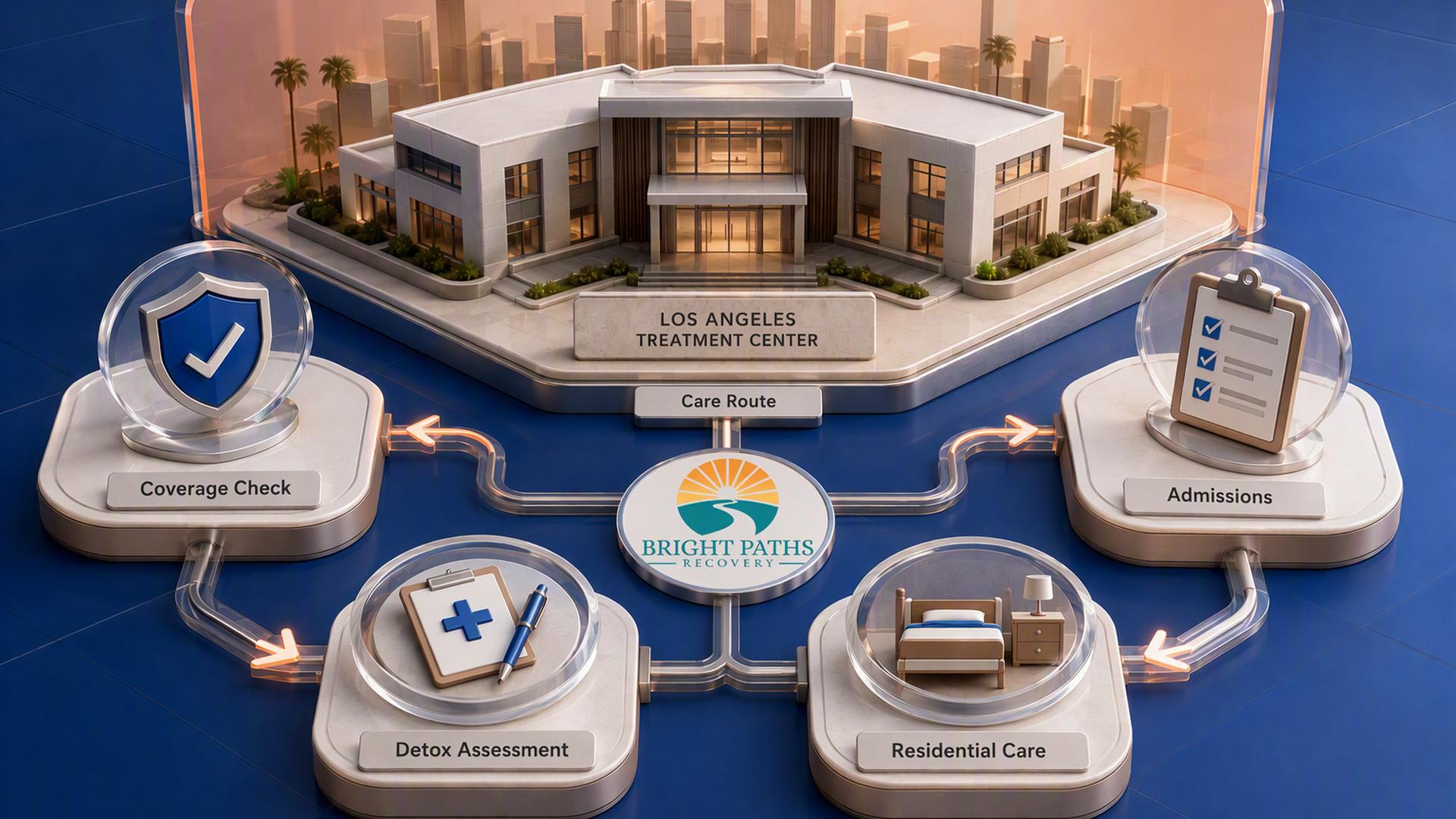
For families who want the vetting process simplified without sacrificing quality, Bright Paths Recovery offers a genuinely practical answer. Rather than leaving patients to sort through insurance codes and unfamiliar clinical terms alone, the team works directly with incoming clients to verify Highmark benefits, confirm network status, and match individuals with an appropriate level of inpatient care from the very first phone call. This kind of hands-on coordination removes much of the guesswork that typically stalls a family already under stress, and it reflects the sort of accessible, well-organized support that makes starting treatment feel manageable instead of intimidating.
Understanding What "In-Network" Really Means
Insurance terminology can obscure more than it clarifies, and "in-network" is a phrase that carries more nuance than most people realize when they first see it attached to a facility listing. A single word on a search results page can hide several layers of billing complexity that only become apparent once treatment has already begun.
Network Status Affects More Than Price
A facility appearing in a Highmark directory search does not automatically mean every service inside that facility is covered at the same rate. Detox, residential care, and outpatient step-down programs are sometimes billed under different network agreements, even within a single treatment campus. Confirming coverage at each phase, not just the initial admission, prevents unwelcome bills weeks into a stay.
Verification Should Happen Before Arrival
A phone call to confirm active benefits, deductible status, and prior authorization requirements should occur before a patient sets foot on campus. Facilities that handle this verification proactively, rather than asking patients to do it themselves during an already stressful moment, tend to reflect a more organized approach to patient care overall. That organizational quality often extends into how the clinical program itself is run.
The difference between a facility that verifies coverage promptly and one that leaves patients waiting for answers is rarely just administrative. It often signals how the rest of the admission and treatment process will unfold. Families who ask direct questions about this step early tend to avoid the frustration of discovering coverage gaps mid-treatment. A short conversation at intake can save weeks of financial confusion later.
Accreditation and Licensing Are Non-Negotiable
Not every facility that appears in a search result has met the same standards, and the difference between accredited and unaccredited care is not a minor technicality. It is one of the clearest indicators of how a facility will treat patients once the paperwork is signed and the search itself is over.
State Licensing Confirms Baseline Safety
Every legitimate inpatient facility must hold a current state license specific to substance use treatment, and this license should be easy to locate on the facility's website or by direct request. A missing or expired license is an immediate red flag that should end consideration of that provider entirely.
National Accreditation Signals Deeper Quality Controls
Beyond state licensing, accreditation bodies such as the Joint Commission or CARF evaluate facilities against clinical, safety, and outcome standards that go well beyond minimum legal requirements. Facilities that pursue and maintain this accreditation are subjecting themselves to regular external review, which tends to correlate with more consistent, evidence-based care.
Checking for both credentials takes only a few minutes but reveals a great deal about how seriously a facility takes its own standards. A provider that displays this information openly is usually confident in what a closer inspection would reveal. Facilities that are vague or evasive about licensing details warrant additional scrutiny before any admission paperwork is signed.
Clinical Staffing and Treatment Philosophy
The credentials of the people actually delivering care matter just as much as the facility's paperwork, and this is an area where surface-level marketing can mislead families who are judging a program only by its brochure or website.
Medical Oversight During Detox Is Essential
Alcohol and certain drug withdrawals carry real medical risk, and any facility offering detox should have licensed medical staff, not just counselors, available around the clock. Ask specifically whether a physician or nurse practitioner is on-site or on-call, and how quickly they respond to complications.
Therapeutic Approach Should Match the Patient's Needs
Facilities vary widely in whether they emphasize twelve-step models, cognitive behavioral therapy, trauma-informed care, or medication-assisted treatment. A program that offers only one rigid approach may not serve every patient well, particularly those with co-occurring mental health conditions that require integrated treatment rather than a one-size-fits-all track.
The right therapeutic fit often determines whether a patient engages meaningfully with treatment or simply endures it until discharge.
Life After Discharge Deserves Early Attention
Inpatient treatment is rarely the end of the recovery process, and facilities that treat it as such are setting patients up for a difficult transition once the structure and supervision of the program are removed.
Aftercare Planning Should Begin at Admission
A discharge plan built in the final days of a stay is far less effective than one developed collaboratively throughout treatment. Ask prospective facilities how early they begin aftercare planning and whether family members are included in that process.
Continuity of Care Reduces Relapse Risk
Facilities that maintain relationships with outpatient providers, sober living homes, and local support groups can hand off patients with far less disruption than those that simply discharge and step away. This continuity often proves just as important to long-term outcomes as the inpatient stay itself.
Making a Confident Decision
Selecting the right inpatient facility is ultimately about verifying substance behind the surface: confirmed insurance coverage, valid licensing, qualified clinical staff, and a real plan for what happens after discharge. A directory search is where the process begins, not where the diligence ends, and the families who ask pointed questions before admission are the ones who tend to find a program that actually meets their loved one's needs.

Follow me on Social Media